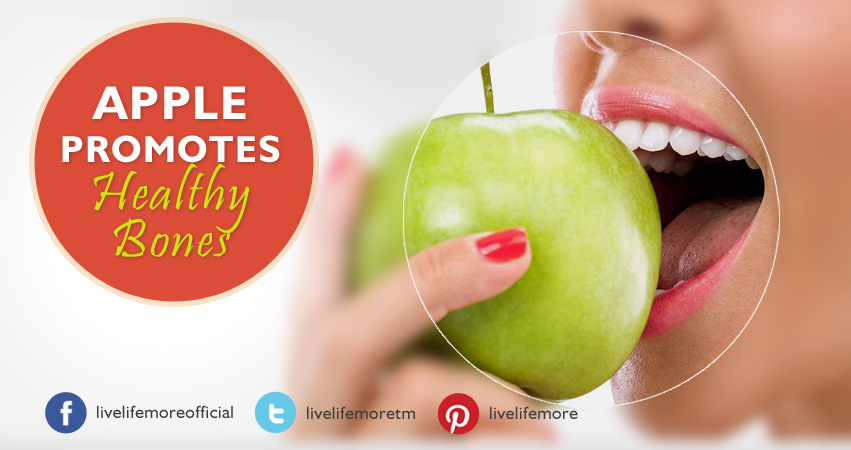
Ever thought how beneficials can apple be in keeping your bones strong & healthy?
Let us elaborate that for you. In a recent French research, it was discovered that a flavonoid found exclusively in apples called phloridzin may protect us from osteoporosis by improving inflammation markers and increasing bone density.
A medium sized apple also provides 15 percent of the recommended daily allowance of both fiber and vitamin C, and a variety of bone-building polyphenols, trace minerals and flavonoids.
Vitamin C is essential for the production of collagen, which helps maintain muscles, blood vessels, bones and cartilage. It also supports liver function and promotes the production of glutathione, a compound that fights toxins in the liver. Fiber also moves toxins through the intestinal tract and helps to prevent them from being circulated to the liver. Ensuring liver health is a good way to ensure bone health as poor liver function has been connected to osteoporosis.
Numerous books have been written about the benefits of vitamin C and fiber, and apples are known to be a good source of both. But the unique combination of antioxidants such as polyphenols and flavonoids, plus valuable bone-building minerals is what really makes the apple a bone healthy powerhouse.
A good example is boron, a trace mineral found in apples which supports the function of important bone-healthy nutrients such as calcium, magnesium, phosphorous and vitamin D.
They are also a good source of polyphenols, which have been shown to increase the production of osteoblasts. In fact, apples are one of the most potent fruit sources of polyphenols. And a study conducted in France has shown that phloridzin, a polyphenol exclusively found in apples and especially concentrated on apple peels, can prevent bone loss.
The angry summer sun which is unforgiving for you all is uncomfortable to stay and makes you feel restlessness and you don’t feel like going out. But you can enjoy this hottest summer by having refreshing drinks like lassi or chaas , lemonade, watermelon squash etc. but some prefer to have diet coke which is zero in calories as they love the taste and most often they drink this to quench thirst.
- A yogurt based drink called chaas
- Originates from Punjab
- Cooling and refreshing drink in summer
- Contains calcium, protein, carbohydrate
- Vitamin A , B and riboflavin
- A sugar free soft drink called coca-cola light
- Originates from United States
- Addictive drink
- Contains artificial sweetener (aspartame)
Here the question arises which is safe to drink?
To enjoy the refreshing drink you can have lassi or chaas which is safe to drink as it is made up of yogurt and you can enjoy this drink with different flavours and by adding different ingredients like you can add fruits or spices according to your taste. Its high in calcium, protein, vitamins A, B and riboflavin . Its calorie and protein content is high and good for weight lose and also helps in lowering down the cholesterol levels and improves your appetite.
Now a days if you see kids and college going students love to have diet coke or coca cola as they love to have them with junk stuff but diet coke are dangerous to their health as they become obese, and are more prone to diseases like cardiovascular problems ,diabetes etc. In diet coke they add artificial sweetener called aspartame which is harmful and effects your body systems as on regular consumption, they triggers your taste buds and make you feel thirsty and metabolic problems arises.
I love to have lassi and would like to recommened you all to enjoy this refreshing and nutritious drink and stay healthy.
- Reduce acidity in stomach
- Improves acidity
- Helps in digestion
- Cooling the intestine
- Improves appetite
- Reduce cholesterol
- Helps in weight lose
- Colonises the gut
- Good for lactose intolerance
- Reduce dehydration and there is no benefits
Courtesy: Zee News India
Although many people with asthma rely on medications to relieve symptoms and control inflammation, you can do several things on your own to maintain overall health and lessen the possibility of attacks:
Exercise. You don’t have to be sedentary if you have asthma. Regular exercise can strengthen your heart and lungs so that they don’t have to work so hard. Aim for 30 minutes of exercise on most days. If you’ve been inactive, start slowly and try to gradually increase your activity over time. Keep in mind that exercising in cold temperatures may trigger symptoms. If you do exercise in cold temperatures, wear a face mask to warm the air you breathe. And don’t exercise in temperatures below zero. Activities such as golf, walking and swimming are less likely to trigger attacks, but be sure to discuss any exercise program with your doctor.
Use your air conditioner. Air conditioning helps reduce the amount of airborne pollen from trees, grasses and weeds that finds its way indoors. Air conditioning also lowers indoor humidity and can reduce your exposure to dust mites. If you don’t have air conditioning, try to keep your windows closed during pollen season.
Decontaminate your decor. Minimize dust that may aggravate nighttime symptoms by replacing certain items in your bedroom. For example, encase pillows, mattresses and box springs in dust-proof covers. Remove carpeting and install hardwood or linoleum flooring. Use washable curtains and blinds.
Maintain optimal humidity. Keep humidity low in your home and office. If you live in a damp climate, talk to your doctor about using a dehumidifier.
Keep indoor air clean. Have a utility company check your air conditioner and furnace once a year. Change the filters in your furnace and air conditioner according to the manufacturer’s instructions. Also consider installing a small-particle filter in your ventilation system. If you use a humidifier, change the water daily.
Reduce pet dander. If you’re allergic to dander, avoid pets with fur or feathers. Having pets regularly bathed or groomed also may reduce the amount of dander in your surroundings.
Clean regularly. Clean your home at least once a week. Because cleaning stirs up dust, however, wear a mask or, if you can, have someone else clean.
Limit use of contact lenses. Try substituting eyeglasses for your contact lenses when the pollen count is high. Pollen grains can become trapped under the lenses.
Control heartburn and gastroesophageal reflux disease (GERD). It’s possible that the acid reflux that causes heartburn may damage lung airways and worsen asthma symptoms. If you have frequent or constant heartburn, talk to your doctor about treatment options.
LiveLifeMore Kidney Health Tips by Dietitian Pallavi Jassal
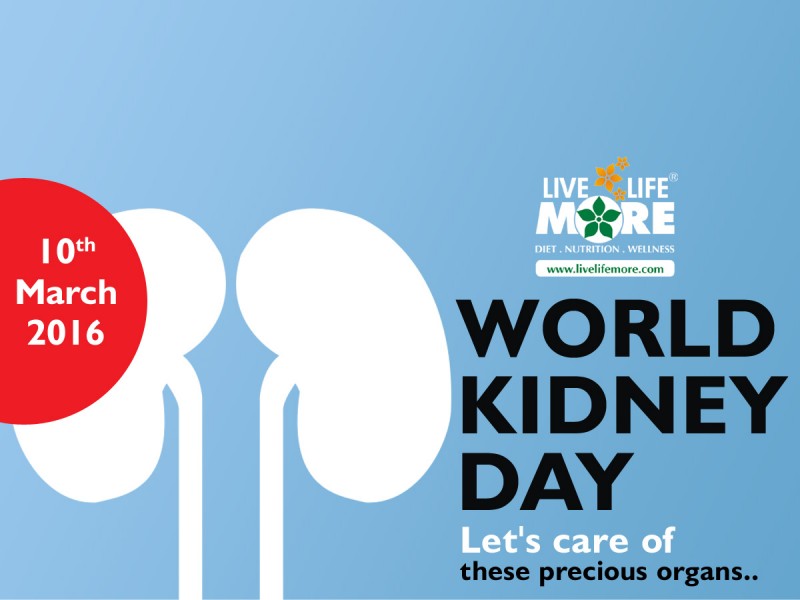
10th March, 2016 is being observed as World Kidney Day…Let’s care for these precious organs….
Get alarmed and consult your doctor….if you experience itching, muscle cramps, swelling in your feet and ankles, or pass too much urine or not enough urine. These may indicate some problem in your kidneys.
Prevention as they say is better than cure…
Few tips for reducing your risk of kidney disease…
What do kidneys do?
Most of us are born with two bean-shaped kidneys. The kidneys filter 200 liters of blood, remove 2 litres of toxins, wastes and water in the process. The body wastes and water ultimately leave the body as urine, and through this process, kidneys are able to regulate the body’s fluid levels. The kidneys also release hormones that regulate blood pressure, produce red blood cells and help maintain healthy bones. Kidney damage progresses slowly over time, which is one of the reasons why one might not “feel sick” until the kidneys are failing, making awareness, prevention and early detection of kidney disease critical. Protect your kidneys by following these tips for reducing risk of kidney disease.
1. Regular Investigations. All with diabetes, hypertension and a history of kidney disease, must get the kidneys checked from time to time. There are two simple tests to check for kidney disease:
• A urine test for albumin, a type of protein. Protein in the urine is one of the earliest signs of kidney damage. When there is too much protein in the urine, it means that the kidneys’ filters have been damaged and are starting to leak protein.
• A blood test for creatinine. Creatinine is a waste product (from muscle metabolism) that is removed by the kidney. Creatinine levels are used to calculate your estimated glomerular filtration rate (eGFR). The eGFR reflects how well the kidneys are filtering wastes from the blood.
2. Optimum control of blood pressure and blood sugar levels.The kidney contains many blood vessels. Therefore, diseases that damage the blood vessels, including high blood pressure and diabetes, can damage the kidneys. Even “slightly” high blood pressure (pre-hypertension)over a period of time and elevated blood sugar levels, commonly referred to as “pre-diabetes,” can damage the kidneys.Control these conditions to protect your kidneys.
3. Maintain a healthy body weight. Maintaining a healthy weight is important for your kidneys. Extra bodyweight means that the kidneys have to work harder to filter out toxins and to meet the metabolic demands of the increased body mass. Obesity also increases your chance of developing diabetes and high blood pressure, which are two major risk factors for kidney disease. Weight loss can help reduce your risk.
4. Quit Smoking. Smoking causes more harm to kidneys than conditions like diabetes and high blood pressure. Quitting is one of the most important lifestyle changes that you can make to protect your kidneys and impact your overall health.
5.Dietary Recommendations and Restrictions. Making good choices each day such as incorporating physical activity and eating healthy foods will reduce your risk of developing kidney disease. Reduce your salt intake and watch for high sodium levels in processed foods, as these can lead to high blood pressure and harm the kidneys.
6. Avoid taking too many pain relievers. Taking over-the-counter pain relieving medications are filtered by the kidneys. Kidneys break down and remove these medications from the body. Avoid excessive use of medications that can harm the kidneys.
So, stay blessed and Live Life More with healthy kidneys.
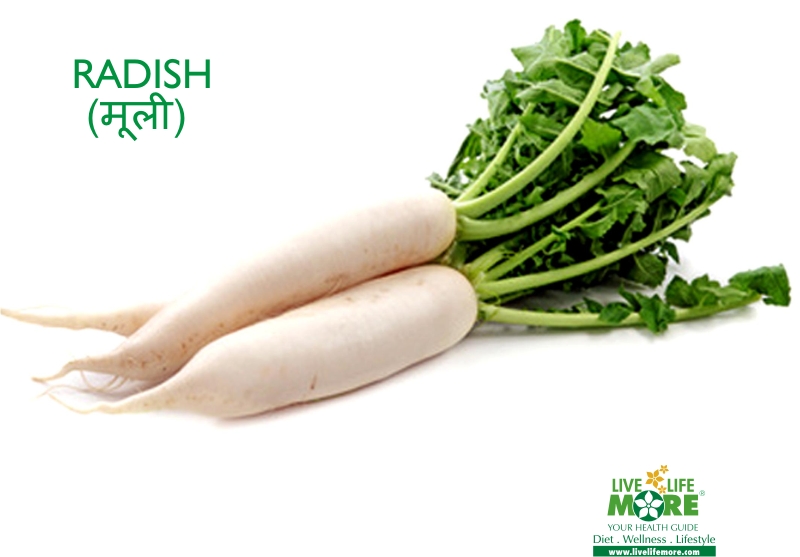
Do beautiful white RADISHES with a headgear of green leaves fascinate you as well?
Does basking in Sun, munching on crunchy radish is a delight for you, every winter?
It’s not just about the fresh and crunchy feel radishes provide, it’s also about the nutrition and weight loss aided by this nutritious crucifer….
Radishes are crunchy vegetables that are added to all kinds of dishes and salads and are often considered a type of garnish. Radishes contain vitamins and minerals that are good for your health. Adding radishes to your diet can also promote weight loss if you combine this food with other positive meal choices.
Let’s learn how…
Low in Calories
Radishes are low in calories and if replaced with some of your regular snacks (biscuits or namkeens), that may be high in fat and calories with them, you will be consuming less number of calories When eaten raw or with dips, are low in calories but can be filling. Replacing foods that are high in fat and sugar with vegetables such as radishes will naturally reduce some of your caloric intake. One serving of 1/2 cup of radishes has only 12 calories.
Fibre
A cup of radishes contains 2 g of fiber, which is important for weight loss, as fibre not only helps to lower cholesterol by binding to low-density lipoproteins (LDLs), increasing fibre intake may help to lose weight too. Fibre is a portion of the plant that goes undigested and when you eat foods with plenty of fibre, you feel full for longer. By eating radishes, you can add some fibre to your diet and work toward the daily recommended intake, which is 25 to 38 g each day for adults aged 19 to 50.
Low Glycaemic Index
Consuming foods that have a low glycaemic index, such as radishes, may help you to lose weight. The glycaemic index of a food is based on how long it takes to break down and digest in the body. Foods that have a high glycaemic index like refined flours or sugars break down quickly and can cause a rapid rise in blood sugar after a meal. The body responds by secreting more insulin to counteract the high blood sugar. Too much insulin reduces the fat-burning processes in the body, and may actually cause your body to store more fat. Eating foods that have a low glycaemic index will help to maintain stable blood sugar levels, avoiding the rapid rise and fall of insulin and glucose in the blood.
So, it can be concluded that effective weight loss involves controlling calories through portion sizes and increasing the intake of vegetables such as radishes. By decreasing your calorie intake by 500 each day and it will help you to lose weight. Adding radishes to a balanced diet, avoiding fad diets and increasing your activity levels each week can all contribute to weight loss.