 So, now you are done with the exchange of greetings on International Woman’s Day…here come the very best wishes laden with the information which can help women to stay healthy and fit and prevent nutritional deficiencies through practical little tips and hints…
Do you keep yourself healthy with the right mix of vitamins?
Do you sometimes wonder, that should you pop pills or get the nutrients through the food you eat?
And my answer being a nutritionist is, “Keep up a balanced diet”. But supplements can be a good way to fill in the gaps when they happen.
Include Antioxidants
This is really simple. The antioxidant group includes vitamin A, vitamin C, and vitamin E.
What antioxidants do:
Antioxidants appear to play a role in protecting you from tiny particles your body makes, called free radicals, that can tear cells apart. Antioxidants may lower the risk of some health problems and slow aging. Antioxidants help boost the immune system, your body’s defense against germs.
How to include these Antioxidants in your daily diet:
1.Vitamin A: A nutrient that helps eyesight, soft tissue, and skin. You’ll find it in apricots, carrots, guava, kale, papaya, peaches, pumpkins, red peppers, spinach, and tomatoes.
2.Vitamin C heals wounds and helps your body make red blood cells. It also boosts levels of the brain chemical called nor-adrenaline, which makes you feel more alert and amps up your concentration.
Studies show that when you’re under a lot of stress, or as you get older, your levels of Vitamin C go down. You can get vitamin C from broccoli, grapefruit, kiwi, oranges, peppers, potatoes, strawberries, and tomatoes.
3.Vitamin E: It is also known as tocopherol. Your body needs it to keep cells healthy. It may slow signs of aging, too. But you raise your risk of bleeding if you take too much of it every day. You can get this nutrient in foods like margarine, corn oil, cod-liver oil, hazelnuts, peanut butter, safflower oil, sunflower seeds, and wheat germ.
Get an optimum dose of B Vitamins
All the B group vitamins are essential for you. But three of them — vitamins B6, B12, and folic acid — are especially important.
1. Vitamin B6 is also known as pyridoxine. You need it to keep your brain working well and to help your body change food into energy, which is called metabolism. Fish, potatoes, chickpeas, avocadoes, bananas, beans, cereal, meats, oatmeal, and poultry have good amount of vitamin B6.
2. Vitamin B12 is also important for metabolism, and it helps your body make red blood cells. You can get it from cheese, eggs, fish, meat, milk, and yogurt. Older adults, people with anemia, vegans, and vegetarians should work with a doctor to make sure they get enough of it.
3. Folate (folic acid). It helps build a healthy brain and spinal cord. It also makes DNA and RNA, the building blocks of cells, and prevents the changes in DNA that can lead to cancer. Adults and children need it to build normal red blood cells and prevent anemia. But it’s especially important for pregnant women because it helps prevent birth defects like spina bifida.
Foods high in folate include spinach and leafy greens, asparagus, citrus fruits, melons, strawberries, fortified grains, legumes, chickpeas, black beans, kidney beans, eggs, and liver.
Get ample Sunshine Vitamin- D
Vitamin D helps to move calcium and phosphorus, important minerals for keeping bones strong into your bloodstream. When your body doesn’t have enough vitamin D, it will take calcium and phosphorus from your bones. Over time, this makes them thin and leads to conditions like osteoporosis, which puts you at risk for fractures.
You can get vitamin D if you eat eggs and fish. Many middle-aged and older adults, though, might need to get what they need from “fortified” foods, which have the nutrient added by the manufacturer, or from supplements.
Because calcium and vitamin D are closely linked, sometimes it is recommended that older people, especially women who have been through menopause, take a supplement that has both nutrients if there is some serious deficiency or a metabolic disorder which hampers with the absorption.
Make bones healthy with Vitamin K
It plays an important role in keeping bones strong and helping blood clot for older people. The best food sources include green leafy vegetables, soybean oil, broccoli, alfalfa, cooked spinach, and fish oil.
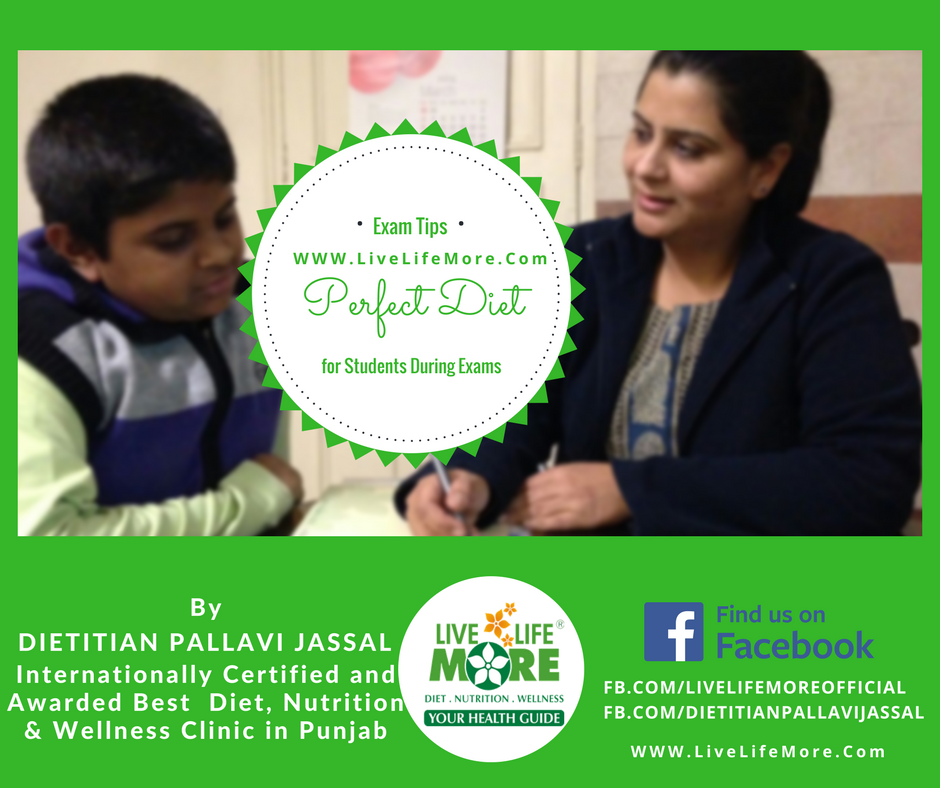
Healthy nutrition tips to improve your exam performance by boosting your brain and healthy lifestyle with the following diet foods to avoid stressful and tense time in examination days.
Diet Tips Before Exam
More isn’t better … If one orange is good, that doesn’t mean your kid should eat 10. Mega-dosing with foods won’t help. Once your kid’s body has what it needs, the rest gets wasted. It’s like pumping gas into a tank that’s already full.
When it comes to feeding our children during exams..!
Let’s help kids excel in exams and “Health” as well.
Include the following foods to keep them sharp, give up lethargy and gain concentration…!
What To Eat During Exams
#Yogurt. Yogurt contains helpful germs called probiotics. You may already know that these critters live in your gut and can improve the way your body uses food. But they’re also important in helping your body fight sickness. One study found that kids who had a yogurt drink had a 19% lower risk of colds, ear infections, and strep throat.
#Walnuts. Walnuts have healthy omega-3 fatty acids, which are good for you in lots of ways. Experts believe that omega-3s help your body fight illness. One small study found omega-3s cut the number of respiratory infections in kids. Walnuts are easy to sprinkle into a snack mix or on cereal.
#Fruits and Veggies. To help your immune system ,have the ones that are high in vitamin C, like citrus fruits, guavas and berries .
Go for #whole foods. Sure, orange juice has vitamin C, but your kid is better off with an orange instead. It has vitamin C and a lot more. You get a lot more nutrients from the whole food than you would from a juice or supplement.
So, dear moms…Get started…and feed your children healthy and nutritious food….not just MORE food…!
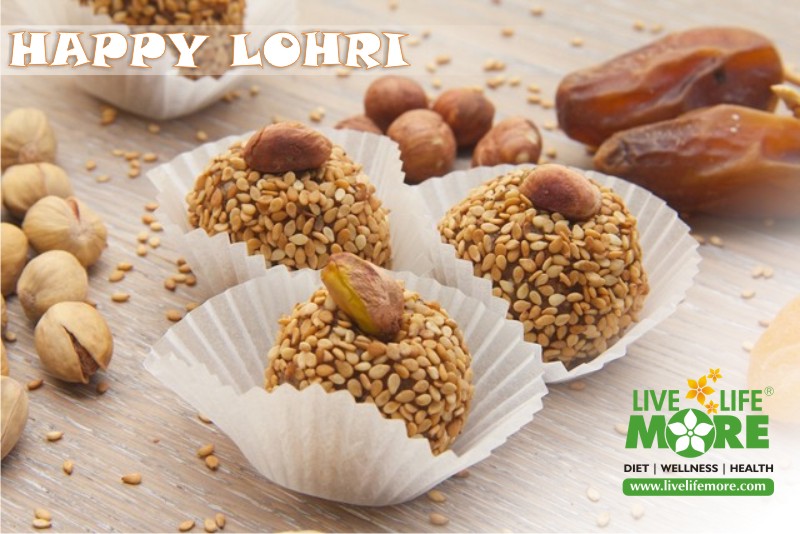
SESAME SEEDS….THE WONDER SEEDS….
Seeds which relieve joint pain, protect against Asthma and high cholesterol….and add crunch and nutty flavor to our food….!
Health Benefits
1. Rich In Beneficial Minerals
Sesame seeds are an excellent source of copper, calcium, phosphorus, iron, zinc, molybdenum, and selenium. This rich combination of minerals translates into the following health benefits:
-Help in reducing some of the pain and swelling of rheumatoid arthritis.
-Preventing the airway spasm in asthma.
-Lowering high blood pressure, a contributing factor in heart attack, stroke, and diabetic heart disease.
-Preventing the trigeminal blood vessel spasm that triggers migraine attacks.
-Restoring normal sleep patterns in women who are experiencing unpleasant symptoms associated with menopause.
-Help protect colon cells from cancer-causing chemicals.
-Help prevent the bone loss that can occur as a result of menopause or certain conditions such as rheumatoid arthritis.
-Help prevent migraine headaches in those who suffer from them.
-Reduce PMS symptoms during the luteal phase (the second half) of the menstrual cycle.
2. Sesame Seeds Help Lower Cholesterol
Phytosterols are compounds found in sesame that have a chemical structure very similar to cholesterol, and when present in the diet in sufficient amounts, are believed to reduce blood levels of cholesterol, enhance the immune response and decrease risk of certain cancers.
Sesame seeds had the highest total phytosterol content (400-413 mg per 100 grams), and English walnuts and Brazil nuts the lowest.
3. Radiation Protection
One of the unusual organic compounds in sesame seeds is called sesamol, and it has been associated with protecting DNA from the harmful effects of radiation. This radiation could come from accidental sources, or from the treatment of cancer with chemotherapy and radiotherapy. By protecting DNA from mutation due to radiation, sesame seeds can boost strength and reduce the chances of contracting other forms of cancer due to cellular mutation.
4. Help maintain Oral Health:
Sesame has a strong antibacterial and astringent effect on all aspects of oral health. It is also closely associated with reducing the presence of the Streptococcus bacteria, a common bacteria that can affect on your oral cavities and other parts of your body.
5. For beautiful Skin and Hair: Sesame seeds contain high levels of zinc, a vital component in the formation of collagen, which strengthens muscle tissue, hair, and skin. Sesame seed oil helps to reduce the appearance of burns and marks on the skin, as well as reducing the signs of premature aging.
6. Improves Metabolic Function: Sesame seeds contain high amounts of protein which adds to overall strength, healthy cellular growth, mobility, energy levels and metabolic function.
However, excessive consumption of sesame seeds can cause irritation in the stomach and colon. Doctor’s or Dietitian’s advice has to be taken particularly in case one has high blood pressure, abdominal ulcers and certain valvular heart rhythm disorders.
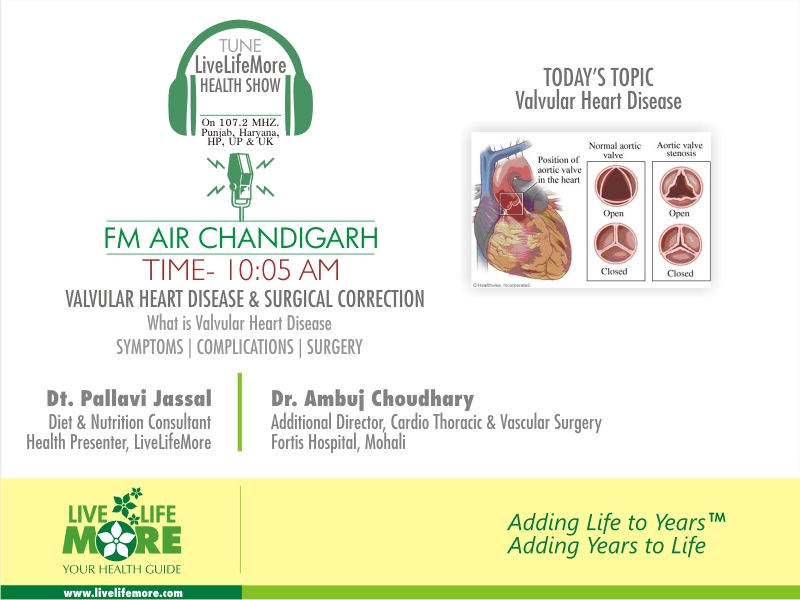
In our series of LiveLiveMore Health Shows conceptualised by Preventive Health & Wellness Consultant Dr. Sandeep Jassal, we bring this show dedicated to Heart Valve Disease.
Your heart has four valves that keep blood flowing in the correct direction. The valves open and close once during each heartbeat. Sometimes, the valves don’t open or close properly, disrupting the blood flow through your heart to your body. In a condition called stenosis, a valve isn’t able to open properly. In a condition called regurgitation, a valve doesn’t close properly and can leak.
Heart valve disease includes:
-Aortic valve disease
-Mitral valve disease
-Pulmonary valve disease
-Tricuspid valve disease
Your heart valve disease treatment depends on the valve affected and the type and severity of the valve disease. Sometimes heart valve disease requires heart valve surgery.
Symptoms of Valve Disease may include:
-Shortness of breath
-Weakness or dizziness,
-Discomfort in your chest.
-Palpitations.
-Swelling of your ankles, feet or abdomen.
-Rapid weight gain.
Learn this and MUCH MORE in this show presented our Health Presenter by Dietitian Pallavi Jassal talking to Dr. Ambuj Choudhary, Additional Director, Cardio-Thoracic & Vascular Surgery, Fortis Hospital, Mohali
Click on the link below to listen to the show NOW…
—
Yours in health awareness,
Dt. Pallavi & Dr. Sandeep Jassal
Team LiveLifeMore
(Adding years to life, Adding life to years)
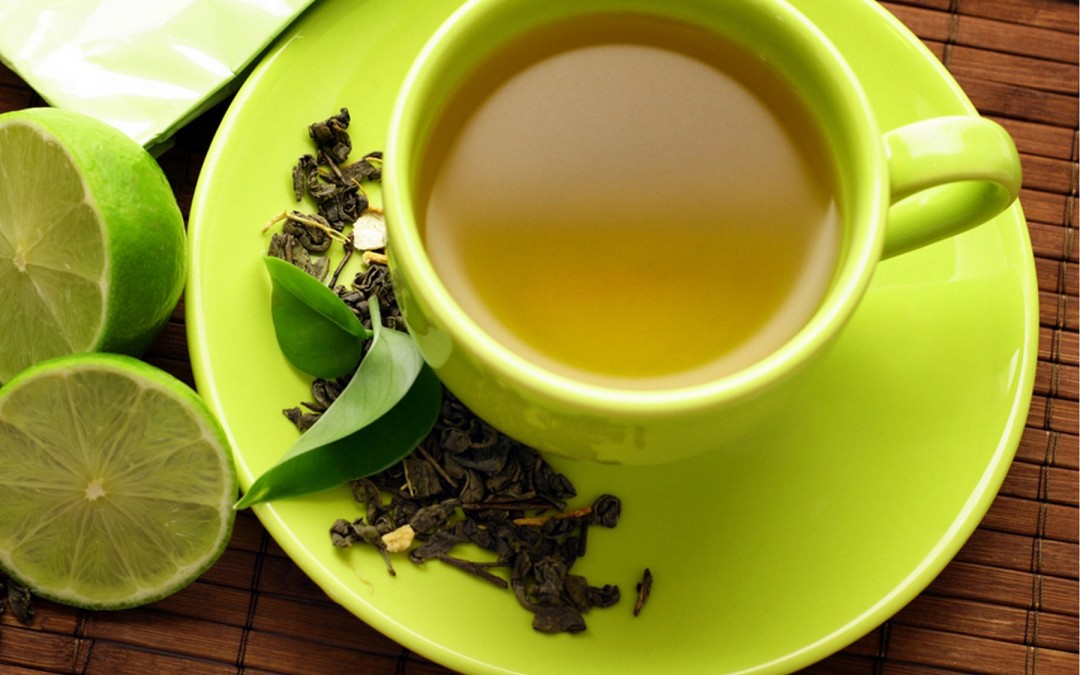
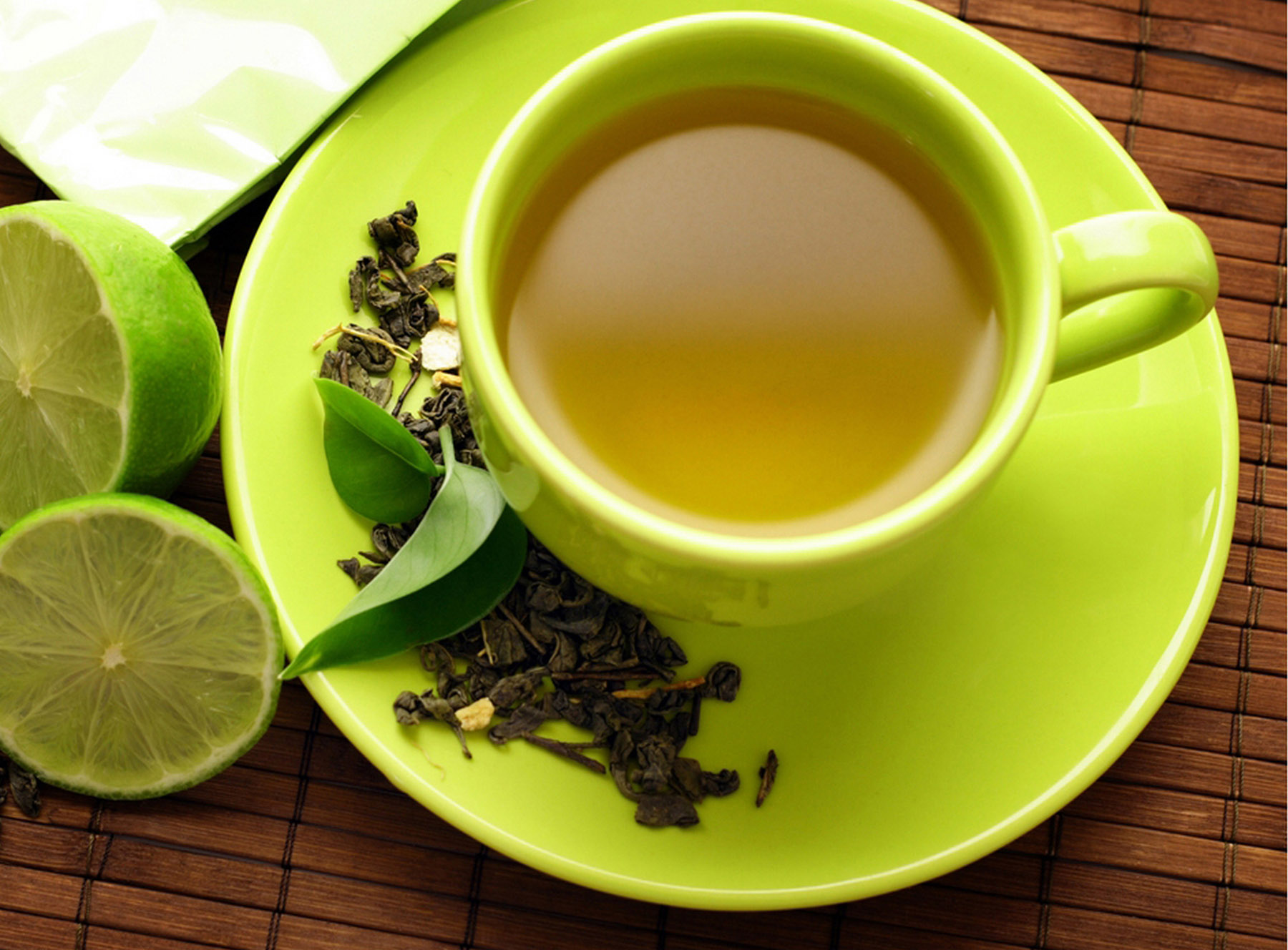
If you drink green tea and if you are trying to improve your health or drop a few pounds, this ‘super-drink’ deserves your full attention.
Green tea has been consumed for thousands of years, it has been proven to possess wonderful medicinal benefits – weight management, disease fighting, energy boosting and stress reducing properties. Studies show that the components found in such a small little teabag can do wonders for your health. If you look at the ingredients list for any fat burning supplement, chances are that green tea will be on that list too.
Here’s a list of some of green tea’s amazing benefits that you may not have been aware of. Some of these benefits are still being researched, so please do your own research if you want to use green tea for medicinal purposes.
1. Aids Weight loss
Green tea boosts the metabolism and thus the pace at which you burn the energy that is produced from the food you consume. The polyphenol found in green tea works to intensify levels of fat oxidation and the rate at which your body turns food into calories. Several studies (including research at Penn State’s College of Agricultural Sciences) show that green tea leads to reduction in body fat, especially in the abdominal area. One of these studies was a randomized controlled trial in 240 men and women that went on for 12 weeks. In this study, the green tea group had significant reduction in body fat percentage, body weight, waist circumference and abdominal fat.
2. Controls Diabetes
Green tea apparently helps regulate glucose levels slowing the rise of blood sugar after eating. This can prevent high insulin spikes and resulting fat storage.
3. Reduces Heart Disease
Scientists think, green tea works on the lining of blood vessels, helping keep them stay relaxed and better able to withstand changes in blood pressure. It may also protect against the formation of clots, which are the primary cause of heart attacks & strokes.
4. Promotes Healthy teeth
Green tea can kill bacteria, which improves dental health and lowers your risk of infection. The catechins in green tea have other biological effects as well. Some studies (including a study recently published in the Journal of Periodontology)show that they can kill bacteria and inhibit viruses like the influenza virus, potentially lowering your risk of infections. Streptococcus mutans is the primary harmful bacteria in the mouth. It causes plaque formation and is a leading contributor to cavities and tooth decay. Studies show that the catechins in green tea can inhibit the growth of streptococcus mutans. Green tea consumption is associated with improved dental health and a lower risk of caries. Another awesome benefit of green tea, multiple studies show that it can reduce bad breath. So, the catechins in green tea may inhibit the growth of bacteria and some viruses. This can lower the risk of infections and lead to improvements in dental health, a lower risk of caries and reduced bad breath.
5. Decreases Cholesterol
Green tea reduces bad cholesterol in the blood and improves the ratio of good cholesterol to bad cholesterol.
6. Prevent Alzheimer’s and Parkinson’s
Green tea is said to delay the neurological deterioration caused by Alzheimer’s and Parkinson’s. Studies carried out on mice (in University of Missouri) showed that green tea protected brain cells from dying and restored damaged brain cells. Green tea may protect your brain in old age, lowering your risk of Alzheimer’s and Parkinson’s. Not only can green tea improve brain function in the short term, it may also protect your brain in old age. Alzheimer’s disease is the most common neuro-degenerative disease in humans and a leading cause of dementia. Parkinson’s disease is the second most common neuro-degenerative disease and involves the death of dopamine producing neurons in the brain. Multiple studies show that the catechin compounds in green tea can have various protective effects on neurons in test tubes and animal models, potentally lowering the risk of Alzheimer’s and Parkinson’s. The bioactive compounds in green tea can have various protective effects on neurons and may reduce the risk of both Alzheimer’s and Parkinson’s, the two most common neuro-degenerative disorders.
7. Improves Brain Function
Compounds in green tea can improve brain function and make you smarter. The key active ingredient is caffeine, which is a known stimulant. It doesn’t contain as much as coffee, but enough to produce a response without causing the ‘jittery’ effects associated with too much caffeine.
8. Controls Blood Pressure
Regular consumption of green tea is thought to reduce the risk of high blood pressure by keeping your blood vessels & mind relaxed.
9. Prevents Depression
Theanine is an amino acid naturally found in tea leaves. It is this substance that is thought to provide a relaxing and tranquilizing effect and be a great benefit to tea drinkers.
10. Acts as Anti-viral and anti-bacterial
Tea catechins are strong antibacterial and antiviral agents which make them effective for treating everything from influenza to cancer. In some studies green tea has been shown to inhibit the spread of many diseases.
11. Helps Keep Skin Young
Green tea can apparently also help with wrinkles and the signs of aging, This is because of their antioxidant and anti-inflammatory activities. Both animal and human studies have demonstrated that green tea applied topically can reduce sun damage.
12. Prevents Cancer
Antioxidants in green tea may lower your risk of various types of cancer. Cancer is caused by uncontrolled growth of cells. It is one of the world’s leading causes of death. It is well known that oxidative damage contributes to the development of cancer and that antioxidants can have a protective effect. Green tea is an excellent source of powerful antioxidants, so it makes perfect sense that it could reduce your risk of cancer, which it appears to do: Be it breast , prostate cancer, colorectal cancer. Green tea can also reduce the risk of esophageal cancer, but it is also widely thought to kill cancer cells in general without damaging the healthy tissue around them. It is important to keep in mind that it may be a bad idea to put milk in your tea, because it can reduce the antioxidant value. Bottom Line: Green tea has powerful antioxidants that may protect against cancer. Multiple studies show that green tea drinkers have a lower risk of various types of cancer.