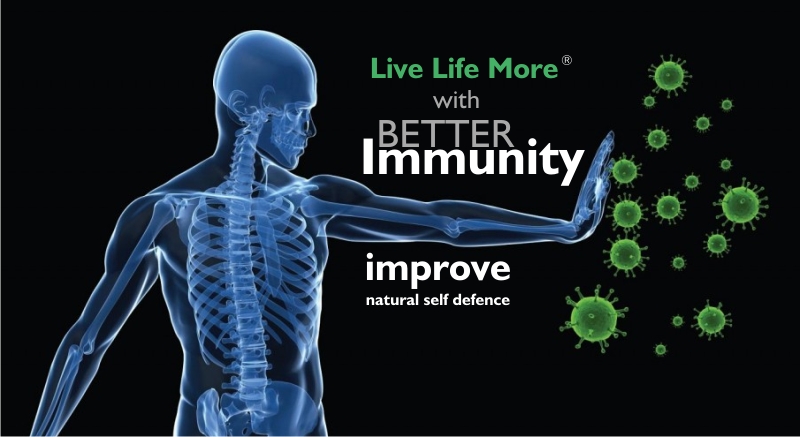
Live Life More with better Immunity
Really….!!! Still believe….
‘An apple a day can keep the doctor away’.
No, not just eating apples can boost you immunity, some nutrients will help keep your immune system on guard and keep kids school attendance full.
Let’s plan your meals and include some powerful immune system boosters and you may increase your family’s chances of fending off those seasonal blues and infections before they get anyone sick.
1. Citrus
Most people turn to vitamin C after they’ve caught a cold. It tops the chart of foods that keep your immune system running at a perfect 100 percent? Vitamin C is increases the production of white blood cells. These are key to fighting infections.
Because your body doesn’t produce or store it, daily intake of vitamin C is essential for continued health. Almost all citrus fruits are high in vitamin C and with such a variety to choose from it’s easy to add a squeeze of lemon to any meal.
2. Red Bell Peppers
Most of us think that citrus fruits have the most vitamin C of any fruit or vegetable. But some research show, red bell peppers have twice as much vitamin C, as well as being a rich source of beta-carotene. Vitamin C may help maintain healthy skin and beta-carotene helps keep your eyes and skin healthy.
3. Broccoli
Broccoli is a super-food, super-charged with vitamins and minerals. Packed with vitamins A, C, and E, as well as numerous antioxidants, broccoli is one of the healthiest vegetables you can put on your table. The key to keeping its power intact is to cook it as little as possible — or better yet, not at all!
4. Garlic
Garlic is found in almost every cuisine around the world. It adds a little zing to food and it’s a must-have for your health. Early civilizations recognized its value for fighting infections. Garlic helps to lower cholesterol and may prevent hardening of arteries. Garlic’s immune-boosting properties seem to come from a heavy concentration of sulfur-containing compounds, allicin.
5. Ginger
Ginger is another ingredient many of us turn to after we’ve caught a cold (Remember?… The adrak wali chai specially made by mom..!). But like vitamin C, ginger may also help prevent that cold from taking hold in the first place. While it’s used in many sweet desserts, ginger packs some heat in the form of gingerol, a relative of capsaicin. Capsaicin gives chili peppers their distinctive heat. Ginger may help decrease chronic pain and may possess cholesterol-lowering properties.
6. Spinach
Spinach is not just rich in vitamin C but also it’s packed with numerous antioxidants and beta-carotene, which may increase the infection-fighting capability of our immune systems. Like broccoli, it’s best cooked as little as possible so that its nutrients are retained.
7. Yogurt/Curd
When selecting yogurt look for ones that have “live and active cultures” printed on the label. These cultures may stimulate your immune system to help fight diseases. Yogurt can also be a great source of vitamin D, so try to select brands fortified with vitamin D.
8. Almonds
When it comes to preventing and fighting off colds, vitamin E tends to take a backseat to the more commonly mentioned vitamin C. But vitamin E is key to a healthy immune system. Vitamin E is a fat-soluble vitamin, meaning it requires the presence of fat to be absorbed properly. Nuts (especially almonds) are packed with vitamin E. A half-cup serving provides nearly 100 percent of the recommended daily amount.
9. Turmeric
A key ingredient in almost all international and national cuisines, this bright-yellow, bitter spice has been used for years as an anti-inflammatory in treating both osteoarthritis and rheumatoid arthritis. It has high concentrations of curcumin, which gives turmeric its distinct color, have been shown to help reduce inflammation and fever.
10. Green Tea
Both green and black teas are packed with flavonoids, a type of antioxidant. Where green tea really shines is in its levels of epigallocatechin gallate, or EGCG, another powerful antioxidant. Green tea is also a good source of the amino acid L-theanine. L-theanine may aid in the production of germ-fighting compounds in your T-cells.