• It increases the likelihood of high blood pressure (hypertension).
• It makes the arteries constrict, limiting blood flow to the heart and brain.
• It can make the blood stickier, increasing the chance of clots.
• It may prompt the body to transfer fat from tissues to the bloodstream, causing a temporary increase in blood-cholesterol levels.
Stress can be caused by external pressures or internal perception. Sometimes you can remove some of the stress in your life. You could change to a less stressful job; avoid stressful situations (shop at a less busy time to avoid waiting in line); or plan ahead to deal with situations that cause stress (have gifts on hand for unexpected occasions).
Sometimes the amount of stress you experience depends on your perception of that stress. We all know people who seem to handle tremendous amounts of stress with no problem. It’s all in the way they perceive the situation.

 Most of our stress, though, comes from everyday psychological stresses–deadlines, problems with children, and common frustrations. These stresses tend to be on-going.
But, if stress is not overcome, and if it continues for extended periods of time, and if body remains in that hyper stressed state, it results in all forms of body breakdown, including heart attacks, strokes, neurological disorders, respiratory disorders, digestive disorders, allergies, sexual problems, body pain, joint ailments, and even cancer.
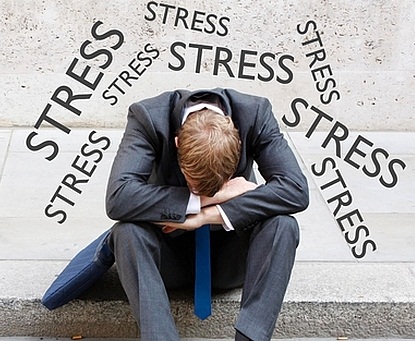
In human context, stress is any pressure or demand (mental or physical) faced by you. It is your body’s physical and psychological response to danger or anything you perceive as overwhelming. When stress is overcome, relaxation ensues.
Your body responds to sudden danger or emotional shock by flooding the bloodstream with adrenaline and hormones that get you ready for action. Muscles tense, blood-sugar levels increase, and your heart rate and blood pressure rise. These surges could help save your life in a dangerous situation.
This can lead to two life-threatening conditions:
Hyper-osmolar hyperglycemic state (HHS) can occur when your blood sugar rises (usually over 600 mg/dL) and you are severely dehydrated. This happens usually when you are sick or stressed. Elderly people are at high risk for this. It can lead to coma or death.You have signs and symptoms of high blood sugar if you are thirsty, must urinate a lot, have a headache, feel weak or drowsy, and cannot speak.
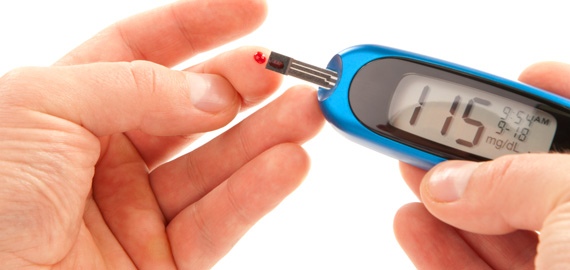
Test your blood sugar if symptoms appear. Drink fluids if you can. Call your healthcare provider immediately.
Ketoacidosis happens when a lack of insulin causes acids called ketones to build up in your blood. This poisons your body. It usually occurs in people with type 1 diabetes. The symptoms come on slowly. They include:
• Dry mouth
• Thirst
• Nausea
• Blurred vision
• Confusion
• Abdominal pain
• Rapid breathing and sometimes a fruity odor on your breath
• Frequent urination
If you develop these symptoms, test your blood sugar. Call your healthcare provider if your blood sugar is more than 250 mg/dL. Also, get help if a home ketone test finds ketones in your urine.
Drink a lot of sugar-free fluids if you think you may have ketoacidosis. Continue checking your blood sugar every three to four hours, or until you see your healthcare provider.
Complications
heart disease, kidney damage, skin conditions, infections, high blood sugar, gum disease, rashes
Good blood sugar control can reduce your risk of many complications:
Heart disease. If you have diabetes, you are 2 to 3 times more likely to have heart disease or a stroke. In fact, heart disease is the leading cause of death among people with diabetes.
Eye disorders. People with diabetes are at risk for cataract, glaucoma, and retinopathy (problems with the retina), which may cause blindness.
Kidney damage. About 20% to 40% of people with diabetes develop kidney disease, which could lead to kidney failure.
Nerve damage.This shows up as numbness or tingling in the feet. You may not feel pain from sores, which can worsen and lead to infection. Nerve damage in people with diabetes is a major cause of amputations. It also can lead to sexual problems, low blood pressure and stomach or intestinal problems.
Skin conditions. High blood sugar levels can thin your skin. This may cause infections, rashes, discoloration, and other conditions.
Infections.If you have high blood sugar, your body has a harder time fighting infections. These usually show up in the bladder, kidneys, vagina, gums, feet, and skin.
Gum disease. Because infections are harder to fight, you’re more likely to develop gum disease.
There’s good news here.When you manage your diabetes well, you can reduce the risk of these complications.
The keys to managing your type 2 diabetes are eating right, getting enough exercise, and managing your weight. Your doctor also may prescribe one or more medicines, including those that target insulin resistance, to help keep your blood sugar at healthy levels.
LiveLifeMore with Type 2 Diabetes
Living with type 2 diabetes doesn’t have to be a struggle. A few lifestyle changes and a dose of good attitude will help you take charge of your health.
In this section, you’ll learn ways to care for yourself every day, from testing your blood sugar to managing stress.
Symptoms
Many people with type 2 diabetes never show any signs in advance. If there are symptoms, they show up slowly.
Common symptoms are when you:
• Urinate a lot
• Feel thirsty often
• Lose weight without trying
• Feel hungry a lot
• Have blurry vision
Other symptoms are when you:
• Feel tingling or numbness in your hands or feet
• Feel tired
• Have very dry skin
• Have sores that heal slowly
• Have frequent infections
• Have erection problems
These symptoms are caused by high blood sugar. Some may seem minor. But if you control your blood sugar now, you may prevent complications from diabetes later.