If you’ve noticed that you react badly to wheat products/gluten — with symptoms like diarrhea, stomach upset, abdominal pain, and bloating — see a doctor to get tested for celiac disease. Do that before you start any gluten-free diet.
If you have celiac disease and you eat gluten, the lining of your small intestine becomes inflamed and gets damaged, making it harder for your body to absorb nutrients. That can lead to malnutrition and weight loss.
A gluten-free diet is a diet that excludes the protein gluten. Gluten is found in grains such as wheat, barley, rye and triticale (a cross between wheat and rye).
A gluten-free diet is used to treat celiac disease. Gluten causes inflammation in the small intestines of people with celiac disease. Eating a gluten-free diet helps people with celiac disease control their signs and symptoms and prevent complications.
A gluten-free diet is not optional for people with celiac disease. It is considered a necessary medical nutrition therapy.
Let LIVE LIFE MORE DIET CLINIC help you with customized gluten free diet plans so that you don’t miss out precious nutrients and taste as well…!

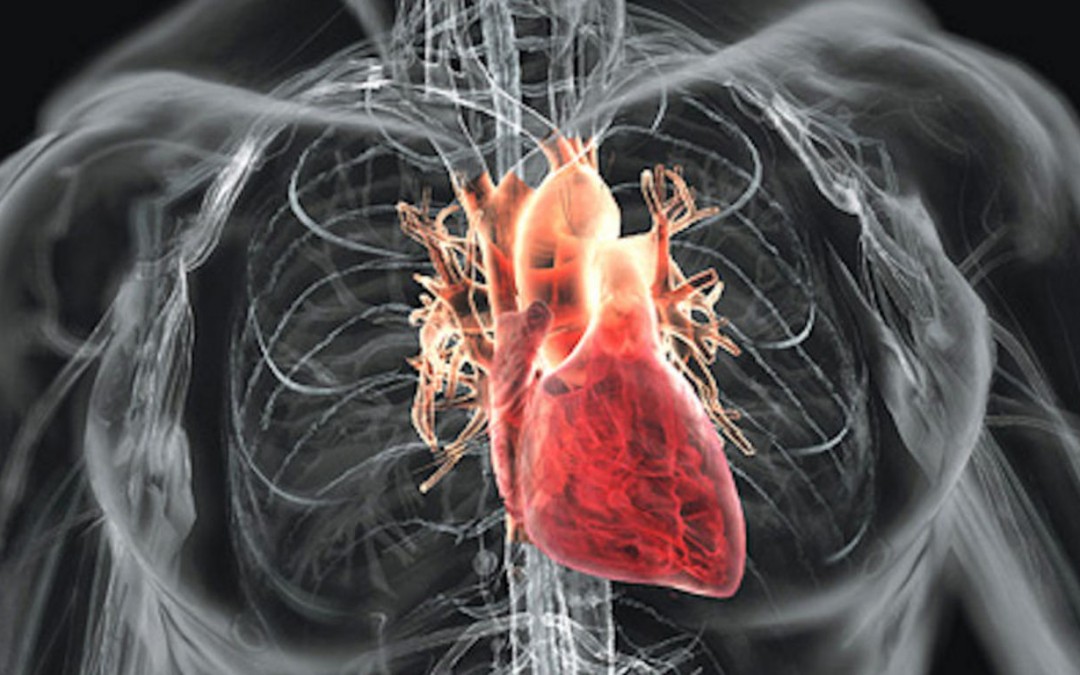
Heart disease and stroke are the leading causes of death and disability for both men and women in the whole world. Overweight people are more likely to have high blood pressure, a major risk factor for heart disease and stroke, than people who are not overweight. Very high blood levels of cholesterol and triglycerides (blood fats) can also lead to heart disease and often are linked to obesity. Being overweight also contributes to angina (chest pain caused by decreased oxygen to the heart) and sudden death from heart disease or stroke without any signs or symptoms.
The good news is that losing a small amount of weight can reduce your chances of developing heart disease or a stroke. Reducing your weight by 10 percent can decrease your risk of developing heart disease by improving how your heart works, reducing your blood pressure, and reducing the levels of blood cholesterol and triglycerides.
*Join Healthy Heart Program Now *
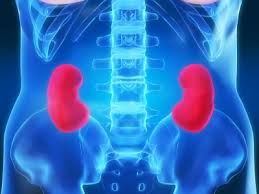
When you have kidney disease, your kidneys are no longer working as well as they need to. Changing your diet can help protect your kidneys. It can also help you control other diseases, such as diabetes and high blood pressure, which can make kidney disease worse.
Most people who have kidney disease need to limit salt (sodium), fluids, and protein. Some also have to limit potassium and phosphorus.
There is no one diet that is right for everyone who has kidney disease. It may be hard to change your diet. You may have to give up many foods you like. But it is very important to make the recommended changes so you can stay healthy for as long as possible.
You need to get enough calories to be healthy and have energy. Your diet may change over time as your disease changes.
The purpose of this diet is to maintain a balance of electrolytes, minerals, and fluid in patients who have chronic kidney disease or who are on dialysis. Patients who are on dialysis, need this special diet to limit the buildup of waste products in their body. These waste products can also build up between dialysis treatments & increase the need of dialysis more often which is troublesome.
Most dialysis patients urinate very little or not at all. Limiting fluids between treatments is very important. Without urination, fluid will build up in the body and lead to excess fluid in the heart, lungs, and ankles.
We at LIVE LIFE MORE Diet & Wellness Clinic plan diets with a purpose to maintain a balance of electrolytes, minerals, and fluid in patients who have chronic kidney disease or who are on dialysis
Join Now LIVE LIFE MORE Kidney Health Programme..
We offer a wide choice of Customized DIET & WELLNESS PLANS for various conditions & stages of life:
Diabetes
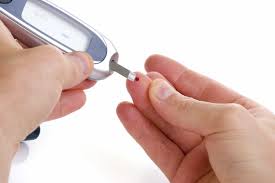
Noninsulin-dependent diabetes mellitus (type 2 diabetes) is the most common type of diabetes in the Western World. Type 2 diabetes reduces your body’s ability to control blood sugar. It is a major cause of early death, heart disease, kidney disease, stroke, and blindness.
Statistically, overweight people are twice as likely to develop type 2 diabetes as people who are not overweight.
You can reduce your risk of developing this type of diabetes by both losing weight and by increasing your physical activity.
Furthermore, if you have type 2 diabetes, losing weight and becoming more physically active can help control your blood sugar levels. If you use medicine to control your blood sugar, Weight Loss and physical activity may make it possible for your family doctor to decrease the amount of medication you need.
*Join Program for Living Healthy With Diabetes… Now *
Chronic Disease Management
Nowhere is the need for an integrative approach more apparent than in the management of chronic illness. We are a synthesis of many systems all working together, and when one or more systems become diseased, all of the others will be stressed as well. From physical challenges, to the challenges of everyday living, to a satisfying quality of life, we have to go past seeing that illness in isolation, and strive to understand and nurture the person who is living with a chronic illness.
Experience Counts
In the last 15 years, the LiveLifeMore Wellness Clinic has become a beacon to those dealing with long term illness. Patients who have been from one specialist to the next for years, and have accumulated lists of medications, but have never felt as if their entire person and circumstances have been addressed in an effective and compassionate manner. Our mission is to serve these individuals with the kind of time, experience and knowledge that are necessary to provide the best care possible.
Who We Serve
We have seen a great diversity of chronic illness at the LiveLifeMore Wellness Clinic, including the common, and the very rare. As many illnesses we have seen, our focus on the whole person never changes. Some examples of chronic illness seen at the Clinic include:
• Fibromyalgia
• Crohn’s Disease
• Ulcerative Colitis
• Arthritis
• Irritable Bowel Disease
• Migraines and Headaches
• Male and Female Reproductive Health
• Asthma
• Allergies
• Chronic Pain
• Cancer and Cancer Recovery Management
• Skin Disease
• Auto-Immune Disease
Our Special Team Approach to Your Health Care
At the Center, our practitioners have the opportunity to consult with complementary practitioners and medical doctors about your health concerns and the progress you are making. These practitioners are always available to you as well.
We take great pride in our staff’s special team consulting approach to the care of our patients, giving you the best that Integrative Medicine has to offer.
Make an Appointment
Call us at 9815502203 / 9878443111to make an appointment or Click on Contact Us link to contact us by Email.