Diabetes & Peripheral Vascular Disease: The Special Connection
This serious diabetes complication can develop as a result of uncontrolled blood sugar levels.
TYPE 2 DIABETES
In Diabetes, the blood glucose (sugar) levels are too high for too long, or swing back and forth between highs and lows. People with diabetes put themselves at risk for serious complications and damage to their bodies. Peripheral vascular disease (PVD) is one of the medical complications that can strike if type 2 diabetes is not well managed.
Peripheral vascular disease includes several conditions that affect the blood vessels. PVD occurs when peripheral blood vessels, those located away from the heart, become blocked or damaged in some way. Peripheral artery disease, or PAD, is one type of PVD; it affects arteries in the arms and legs.
Symptoms of Peripheral Vascular Disease (PVD)
The main symptoms of peripheral vascular disease include:
-A heavy feeling in the limbs
-Pain in the buttocks or extremities, including the thighs or calves
-A blue tint to the toes
-Feeling of Numbness in the legs or feet
-Cold feet
-Leg cramps, which often increase with more activity & relieve on rest
-Skin redness
-Frequent infections
-Foot pain
-Wounds on the feet and toes that won’t heal
Causes of PVD
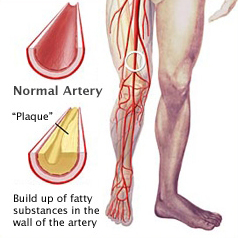
PVD occurs when plaque composed of cholesterol and other fatty substances found in the blood, builds up and creates a blockage in the blood vessels, obstructing the blood from flowing properly.
Peripheral vascular disease can be caused or worsened by:
-Having high blood pressure
-High cholesterol levels and fats in the blood
-Smoking
-Having persistent high blood glucose levels
Prevention and Treatment of PVD
People with diabetes can Live Life More by protecting themselves against PVD and keeping their blood vessels clear. Start by achieving good control over your diabetes with these steps:
-Take all diabetes medications as prescribed by your doctor.
-Keep blood pressure and cholesterol at healthy levels, with medication if necessary.
-Eat a healthy diet, one that’s low in salt, cholesterol, and fat.
-Get regular exercise.
-Maintain a healthy body weight.
-Don’t smoke.
Make sure that your blood glucose levels are stable — talk to us if you’re having difficulty achieving this.
It is advisable to regularly inspect and take good care of your feet and skin to prevent wounds and infections. Be on the lookout for blisters, sores, and any painful or red areas on the feet.
Making some lifestyle changes and adopting healthy habits to maintain good control over diabetes will also help to treat any existing PVD. In very serious cases, when a blood vessel is severely blocked, surgery may be needed to re-route blood flow around the blockage using a blood vessel grafted from elsewhere in the body. Blockages can also be treated with angioplasty, a procedure in which a catheter with a balloon device is inserted in the blood vessel and inflated to clear the vessel; in some cases, a tube called a stent is placed inside the blood vessel to keep it open and allow blood to flow efficiently throughout the body.
As a prevention oriented organisation, we would say that though PVD can be treated to relieve symptoms, prevention is really the best medicine. Carefully monitor your blood glucose levels and focus on healthy habits to keep your blood vessels clear.
Opt for our Diabetes Management Diet & Lifestyle Plan by logging on to our eClinic at www.livelifemore.zest.md
Diet has a vital influence on health & longevity. Scientific studies have associated diet with 5 of the top 10 causes of death (coronary heart disease, cancer, stroke, diabetes, and atherosclerosis).
It is clear that what people eat & how people eat, contributes in a substantial way to the development of these diseases and that modification of food choices can contribute to the prevention of these diseases.
One focus of dietary modification should be a reduction in total fat intake because of the role that fat plays in the development of several chronic diseases. High fat diets contribute to obesity since fat is a concentrated source of energy, and often leads to a high calorie intake. High fat diets can lead directly to an increase in blood cholesterol levels leading to high incidence of cardio-vascular disease: heart attacks & strokes, and have been associated with increased risk for several types of cancers.
Diets including generous amounts of fruits and vegetables are recommended because these foods are high in fiber and relatively low in calories and fat. A diet high in fruits and vegetables usually leads to a reduction in total calories and fat, which enhances weight management. A high fiber intake has beneficial effects on blood cholesterol and blood sugar, and a diet plan including at least 8 servings of fruit or vegetable and 2-3 servings of low fat dairy products has been shown to reduce blood pressure.
Weight loss is an important part of the treatment of elevated blood cholesterol, in addition to a diet low in saturated fat (animal fats) and cholesterol. High fiber foods like vegetables, fruits, and whole grains are also an important part of a cholesterol lowering diet.
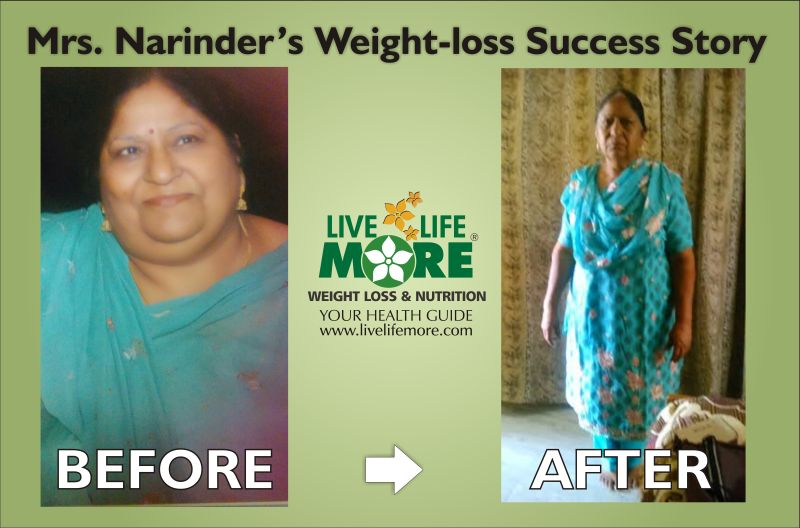
On WOMEN’S DAY today…we salute the SUCCESS STORY of a middle aged lady, Mrs. Narinder who won upon the battle of bulge with healthy choices we suggested her to make…and the amazing results are for you to see…the lightness she feels in her body & several other health benefits of the weight loss CAN ONLY BE FELT BY HER…UNLESS YOU ARE OUR NEXT SUCCESS STORY…
So, COME ON…all the determined LADIES…we are determined to HELP YOU IF YOU are DETERMINED to help yourself with any of your health issues…
‘On WOMEN’S DAY today…we salute the SUCCESS STORY of a middle aged lady, Mrs. Narinder who won upon the battle of bulge with healthy choices we suggested her to make…and the amazing results are for you to see…the lightness she feels in her body & several other health benefits of the weight loss CAN ONLY BE FELT BY HER…UNLESS YOU ARE OUR NEXT SUCCESS STORY…
So, COME ON…all the determined LADIES…we are determined to HELP YOU IF YOU are DETERMINED to help yourself with any of your health issues…
FREE HEALTH EVALUATION CONSULT with our EXPERTS
Dr. Sandeep Jassal &
Dietitian Pallavi Jassal…
Call
9815502203 for life-changing appointments…
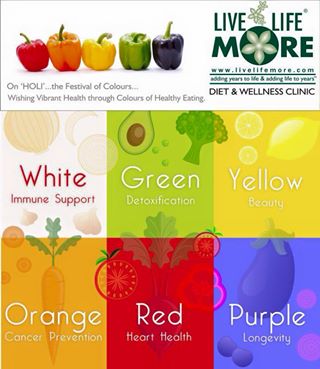
Festival of Colors reminds of the colors of food & their benefits..
In our on-going series of LiveLifeMore Health Shows on Cancer Awareness in February…this discussion is focused on brain tumours (Tumors).
-Brain tumors can be either malignant (contain cancer cells) or benign (do not contain cancer cells).
-Brain tumors can occur at any age.
-The exact cause of brain tumors is not clear.
-The symptoms of brain tumors depend on their size, type, and location.
-The most common symptoms of brain tumors include headaches; numbness or tingling in the arms or legs; seizures, memory problems; mood and personality changes; balance and walking problems; nausea and vomiting; changes in speech, vision, or hearing.
Brain tumors are diagnosed by the doctor based on the results of a medical history and physical examination and results of a variety of specialized tests of the brain and nervous system.
Treatment of a brain tumor depends on the type, location, and size of the tumor, as well as the age and health of the patient.
Options for brain tumor treatment include surgery, radiation therapy, and chemotherapy (or a combination of treatments).